

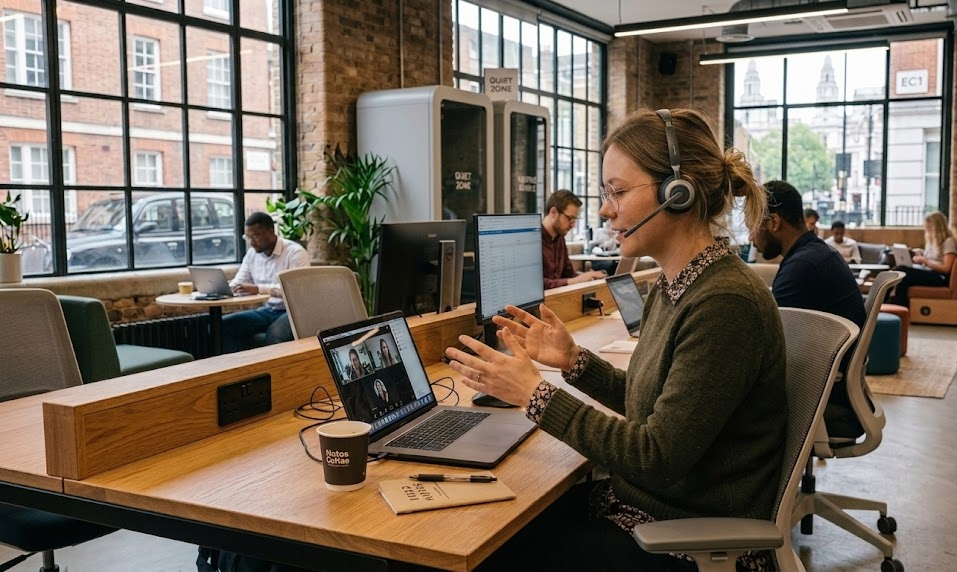
Commuters in the UK no longer work at a fixed desk from nine to five. The old office with strict cubicles was meant for one task. Now, people pick their workspace based on the job they need to complete.
According to Cartridge People, almost half of surveyed UK employees now work in a hybrid model. This shift confirms that split-week working has become a permanent expectation for the British workforce, rather than just a temporary trend.
Today’s workspaces serve as places for connection, not just rows of computers. How well they adapt to this change decides if a space stays busy or becomes empty.
At Central Coworking, we provide the ultimate Mayfair sanctuary for entrepreneurs and businesses to thrive with premium support.
Is Flexibility Profitable for Businesses
Flexible design is a smart way to save money. It helps a business serve more members in the same space. When a workplace adapts to users, people are more satisfied. They tend to stay longer when they feel the environment supports their work style.
High retention rates lower marketing and recruitment costs, and the hiring market points the same way. London recruiters such as Morgan Spencer find that candidates now ask about hybrid arrangements early in the process, which makes a well-designed flexible workspace part of the offer rather than a perk. A workspace that changes daily stays interesting. It becomes a place people want to visit, not just somewhere they have to be.
To gain a clearer understanding of how these environments impact staff, take a look at this workplace well-being guide to keep your team productive and engaged.
Key Strategies to Build Flexible Workspaces
Here are the three key strategies to build flexible workspaces for hybrid teams:
1. Create Dedicated Task Zones
During a workday, people experience various mental stresses. A founder may start with a focused strategy meeting and later shift to a loud brainstorming session, which can create issues in an open-plan area. Effective layouts utilise zoning to create distinct areas for different needs.
A 2026 Interaction UK report found that 85% of employees consider having quiet zones improves their productivity. These silent spaces help team members focus on complex tasks without distractions from nearby conversations.
Quiet zones should feel like a library. Soft lighting and acoustic panels keep the area silent. On the other hand, collaboration zones need energy. These areas work best with standing tables and whiteboards to encourage movement.
2. Invest in Modular Furniture
Fixed desks limit how a room can be used. Modular furniture lets a space change fast. Tables on wheels and foldable chairs can turn a morning yoga studio into a boardroom by noon.
Flexible walls or heavy curtains offer privacy without the cost of permanent construction. This adaptability helps hosts plan different events. It keeps the floor plan useful as the team grows or shrinks.
3. Optimise Your Outdoor Real Estate
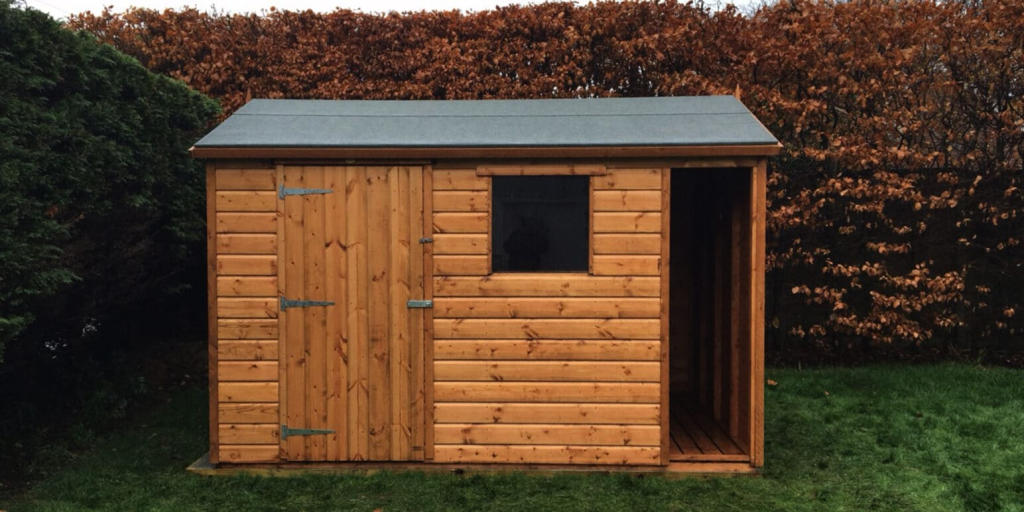
Several buildings overlook their outdoor spaces. Patios and roof terraces stay unused except during lunch breaks. Repurposing these areas makes buildings more attractive to members who usually feel confined indoors.
Source: elfords.co.uk
Fresh air helps improve focus and creativity. By adding outdoor power outlets and also weatherproof seating, a garden can serve as a useful meeting space.
A spacious gazebo or a covered deck provides a change of scenery that can inspire new ideas. The sound of leaves rustling and the feel of a peaceful breeze can make a long afternoon of emails feel less tiring.
How to Monitor Space Usage Patterns
To create a flexible workspace, you need to understand how people use it. Simply observing is not enough to track movement in a large building. Using specialised tools lets you make decisions based on real data rather than guesswork.
1. Use Booking Schedules
Booking systems show which areas are busy and which are not. If phone booths have a long waiting list while large sofas are empty, the layout needs to shift. These schedules highlight peak times and help you predict when the space will be full.
2. Install Smart Sensors
Smart sensors can track the number of people in a space in real time. This information helps managers change heating, lighting, and cleaning schedules as needed. It ensures that resources are used efficiently, identifying underused areas you could convert into better work zones.
For a visual representation, explore this guide that demonstrates real-time occupancy tracking and how sensor data helps optimise hybrid office layouts.
Practical Tips for Quick Wins
Small changes can greatly improve a space’s feel and function without a big budget.
- Add large plants to create natural barriers.
- Use thick rugs to define areas.
- Swap heavy desks for lightweight, wheeled versions.
- Ensure easy access to plug sockets or power banks.
- Place warm lamps in dark corners for cosy reading nooks.
Paying attention to the little things makes the office feel welcoming and lively all day long.
Conclusion
Creating a flexible workspace takes ongoing effort and adjustments. Watch how people move and interact throughout the day to improve the layout.
By focusing on task-based areas and enhancing outdoor spaces, you can create a welcoming environment for today’s workforce. Start by making one small change to your layout this week.To discuss how we can help you build a more adaptable environment, reach out to us at Central Coworking to start the conversation.
